 Paw Training Lab
Outdoors Dogs
Build recall before you rely on distance
Practise rewarding returns in an easy setting and manage outdoor freedom thoughtfully.
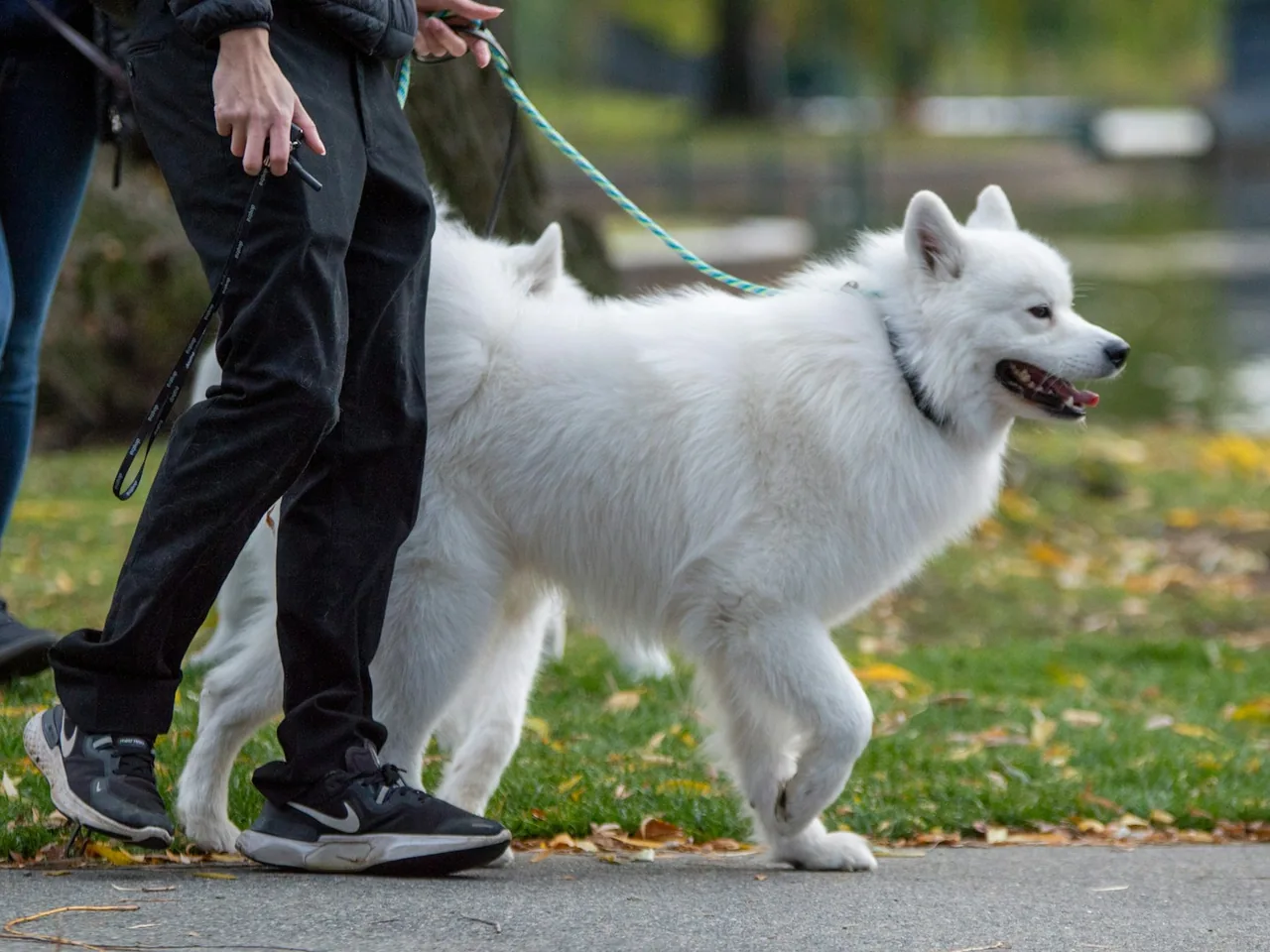
Context photograph.
Start where coming back is straightforward
Choose a quiet secure area and have an appropriate reward ready. Invite a return over a manageable distance when the dog can notice you. Reward the arrival generously in a way the dog values. Early practice should make returning worthwhile, not repeatedly test the edge of the dog's current ability.
Do not wait until the dog is far away and fully engaged elsewhere to discover whether the cue has been learned. A return is a trained action that needs practice across settings; one good repetition at home does not establish reliability everywhere.
Set up the return
- Agree on the cue and what counts as completing the return.
- Keep the reward ready so arrival is followed by a clear worthwhile outcome.
- Practise in a setting that prevents an unsuccessful attempt becoming an escape.
- Allow some returns to lead back to appropriate exploration, rather than making every return end all activity.
Add management before difficulty
Dogs Trust describes long-line recall practice with the line attached to a harness. Follow equipment instructions and choose a suitable environment with enough room to manage the line. Seek practical handling help if the setup is unfamiliar.
A long line is management equipment, not proof that a location is appropriate or that the dog can be safely off lead. Follow local rules and consider other people, animals and access conditions. Increase challenge in a planned way instead of testing a cue around the strongest available distraction.
Write a concrete next step
Record the location, distance in your own terms, competing activity and whether the dog returned after the cue. Do not invent a success rate if you did not record actual attempts. A note such as “repeat in the enclosed area before changing the setting” is enough to guide the next session.
This foundation does not guarantee off-lead reliability. For problems that exceed a manageable practice setup, arrange individual reward-based support before increasing freedom or distance.
Sources & practical application
These principles inform the guide. Household worksheets, examples and sequencing are our editorial application, not reported experiments or endorsements by the source organisations.
Source principle: Reward returns and use a long line attached to a harness during outdoor practice.
Source principle: Reward behaviour you want to see again; choose a reward the individual dog values.
Checked October 16, 2026. How we prepare guides · Report a correction.