 Paw Training Lab
Foundations Dogs
Teach a name as an invitation to turn towards you
Use a quiet setup and a worthwhile outcome before taking attention into busier places.
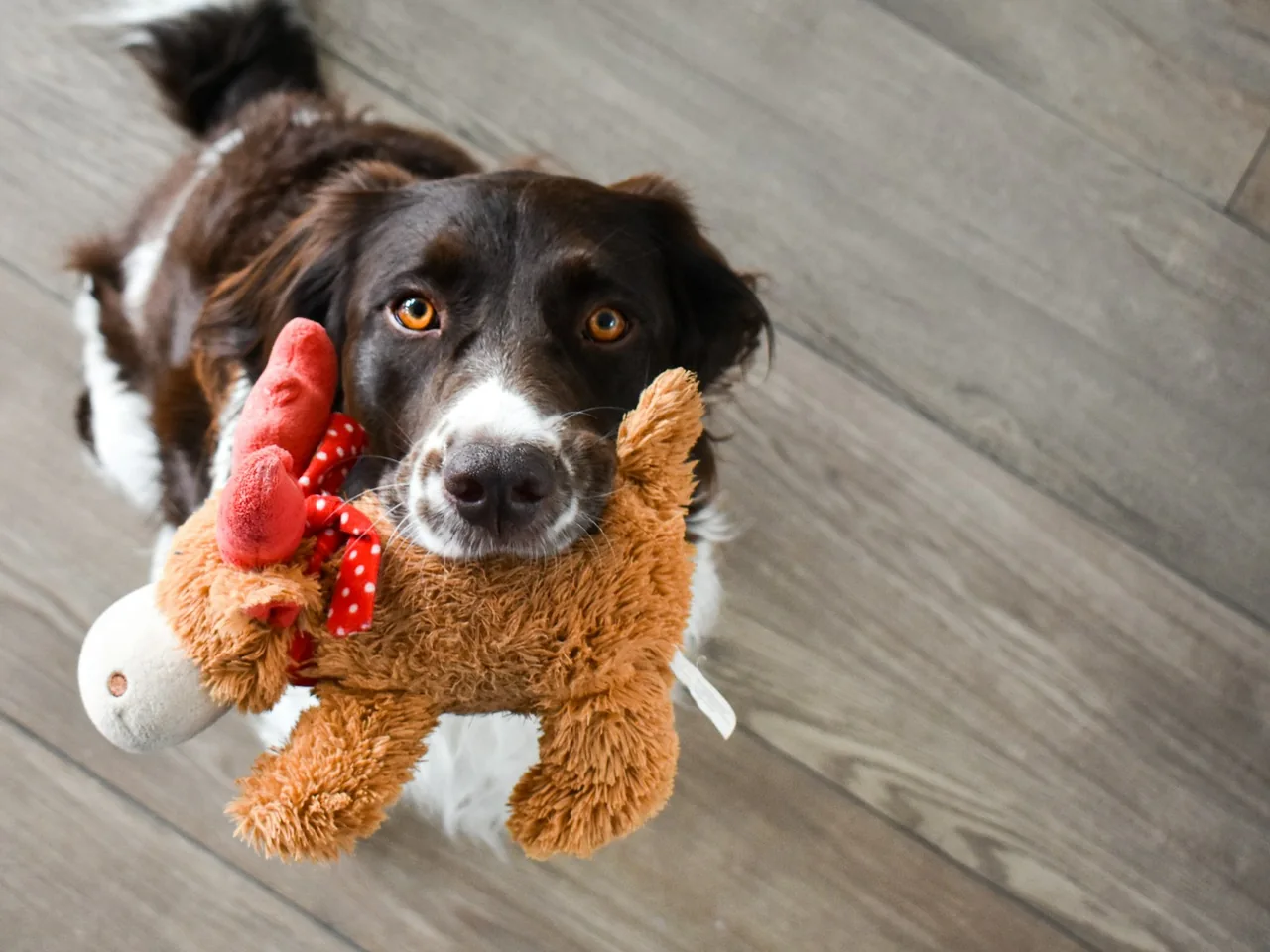
Context photograph.
Make the first response easy
Begin in a familiar quiet area with a reward ready. Say the dog's name once when the dog is likely to be able to notice you. Reward orientation towards you. Keep the action small and clear; this is attention practice rather than a request for prolonged eye contact.
Avoid using the name repeatedly while the dog is occupied with something much more compelling. If there is no response, change the setting or make the invitation easier before trying again. The number of times you called is less informative than the circumstances in which the dog could respond.
Prepare a useful repetition
- Have the reward accessible before saying the name.
- Choose a moment without a competing household event.
- Reward the turn or attention you wanted rather than adding an unexpected chain of commands.
- Give the dog a break and a chance to reorient naturally.
Keep the cue distinct from correction
If the name often predicts interruption or frustration, a fresh quiet practice session can help you rebuild a clearer association. Agree with other household members on the action you are rewarding. A shared cue is easier to understand when people expect the same thing from it.
Do not make the dog guess whether its name means turn, sit, stop moving or come all the way across the room. Those are different actions. Start with attention; teach other behaviours with their own clear setups.
Take the setting seriously
When a familiar exercise becomes difficult in a new room or outdoors, record that change. Reduce competing activity and work at an easier level. Do not label the dog disobedient because a skill has not transferred automatically.
Use the training log to write one next adjustment, such as repeating the exercise in the same quiet area with supplies ready. It is a planning record, not a pass certificate or a prediction of how quickly the dog will learn.
Sources & practical application
These principles inform the guide. Household worksheets, examples and sequencing are our editorial application, not reported experiments or endorsements by the source organisations.
Source principle: Build rewarded attention in quiet places; avoid repeatedly calling when the dog is not responding.
Source principle: Reward voluntary check-ins and make a new learning environment manageable.
Checked October 16, 2026. How we prepare guides · Report a correction.